Makar Sankranti 2026 – Date, Timings, Significance, and Celebrations
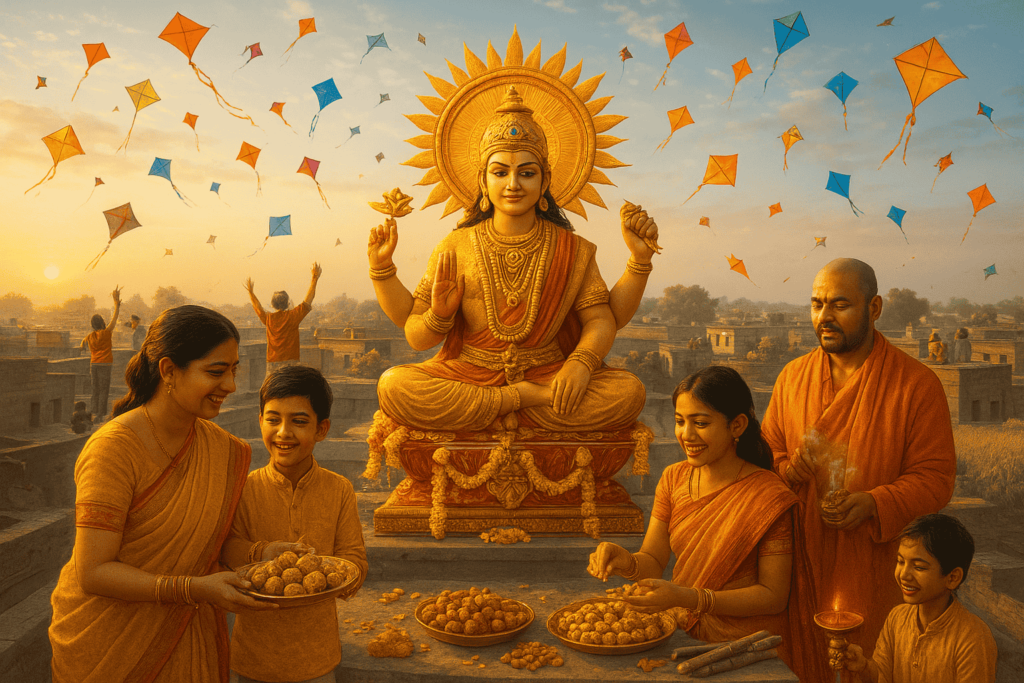
Makar Sankranti honors Surya Dev who is known as the Sun God. The festival celebrates when the Sun enters Makara Rashi (Capricorn) while starting its favorable northward movement known as Uttarayan. The solar cycle determines the date of Makar Sankranti because it remains constant from year to year.
Makar Sankranti 2026 will be celebrated on Wednesday, 14th January 2026. Devotees across India perform sacred river baths and Surya Arghya rituals and give charitable donations on this day because these actions create great spiritual rewards.
Makar Sankranti 2026 Date and Timings
The spiritual significance of Makar Sankranti is enhanced when rituals are performed during the Punya Kaal (auspicious period). For the year 2026, the detailed timings are as follows:
- Makara Sankranti Date: Wednesday, January 14, 2026
- Makara Sankranti Punya Kaal Muhurta: 03:13 PM to 05:45 PM
- Duration: 2 Hours 32 Minutes
- Makara Sankranti Maha Punya Kaal Muhurta: 03:13 PM to 04:58 PM
- Duration: 1 Hour 45 Minutes
These auspicious periods are considered highly beneficial for bathing in holy rivers, offering prayers to Surya Dev, and performing daan (charity).
Spiritual Meaning of Makar Sankranti
Makar Sankranti marks the triumph of light over the darkness that surrounds it. The Sun’s northward movement symbolizes the emergence of divine wisdom and spiritual development. During Uttarayan people believe that divine powers become more available and religious devotion produces higher spiritual rewards.
The sacred texts indicate that people who pass away during this period will achieve spiritual liberation. The celebration serves two purposes because it includes religious ceremonies while providing spiritual guidance to followers who seek enlightenment.
Significance in Hindu Tradition
Makar Sankranti is mentioned in several Hindu scriptures including the Mahabharata and the Puranas. It is said that Bhishma Pitamah chose to leave his body during Uttarayan, considering it the most auspicious time for liberation.
Some key aspects of its significance include:
- Worship of Surya Dev – Gratitude is offered to the Sun God, the eternal source of life and energy.
- Beginning of the harvest season – Farmers celebrate the bounty of their crops and express thanks to nature.
- Acts of charity – Donating food, clothing, and money is believed to wash away sins and bring blessings.
- Ancestor rituals – People remember their forefathers and pray for their peace.
Rituals and Observances of Makar Sankranti 2026
Across India, devotees celebrate Makar Sankranti with immense devotion and enthusiasm. Some common rituals include:
- Holy Bath (Snan) – Pilgrims take a dip in sacred rivers like the Ganga, Yamuna, and Godavari to cleanse themselves of sins.
- Offering Arghya to Surya Dev – Water is offered to the rising and setting Sun while chanting mantras.
- Charity (Daan) – Donating food grains, til (sesame seeds), jaggery, blankets, and clothes is believed to yield divine blessings.
- Til–Gur Sweets – Special sweets made of sesame seeds and jaggery are prepared and shared with the words: “Til-gul ghya, god god bola” (accept this sweet and speak kindly).
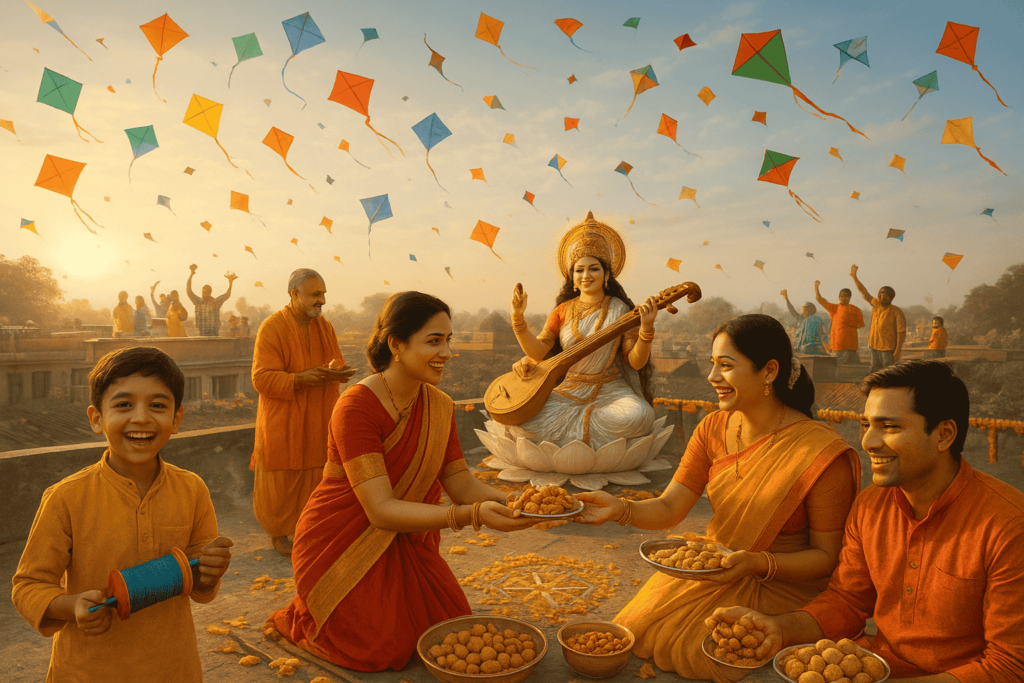
- Kite Flying – In states like Gujarat and Rajasthan, people celebrate with colorful kite-flying festivals, symbolizing freedom and joy.
Makara Sankranti Phalam 2026
Astrological traditions determine the phalam (result) of Makar Sankranti through planetary positions. The afternoon timing of Sankranti in 2026 creates an exceptional opportunity for people to perform Snan-Daan during Maha Punya Kaal to gain maximum spiritual benefits.
- People should perform river baths and pilgrimages at Prayagraj during Magh Mela for maximum spiritual benefits.
- The practice of charity during this time will create peace and wealth while eliminating previous life’s accumulated karma.
- Farmers who seek blessings of abundance should start their new agricultural work during this time.
Celebrations Across India in 2026
While the essence of Makar Sankranti remains the same, its celebrations take on different regional flavors across India.
- Ganga Sagar Mela, West Bengal – Millions of devotees will gather at the confluence of the Ganga and the Bay of Bengal to take a holy dip.
- Magh Mela, Prayagraj (Allahabad) – Pilgrims from across India will participate in ritual baths during the auspicious Punya Kaal.
- Uttarayan, Gujarat – The skies will be filled with kites of every color, as the International Kite Festival attracts participants from around the world.
- Pongal, Tamil Nadu – A four-day harvest festival where people cook Pongal (a sweet rice dish) as an offering to the Sun God.
- Bhogi, Andhra Pradesh & Telangana – People discard old items, light bonfires, and celebrate the arrival of new beginnings.
- Lohri, Punjab – Families gather around bonfires, singing folk songs and offering sesame, jaggery, and popcorn to the flames.
- Makaravilakku, Sabarimala (Kerala) – Thousands of devotees will witness the divine light at the temple of Lord Ayyappa.
Thus, Makar Sankranti 2026 will be celebrated with grandeur across the country, reflecting the diversity of Indian culture.
Shloka on Surya Dev
To honor Surya Dev on this sacred day, devotees often chant the following mantra:
देवनागरी (Devanagari):
ॐ घृणिः सूर्य आदित्यः ।Transliteration:
Om Ghrinih Surya Adityah ।
Meaning:
“O radiant Sun, embodiment of Aditya, I bow to you as the eternal source of energy, wisdom, and life.”
Chanting this mantra during Arghya (offering water to the Sun) is believed to purify the mind and attract divine blessings.
Conclusion
The celebration of Makar Sankranti 2026 will take place on Wednesday, 14th January 2026 as people celebrate both spiritual devotion and cultural festivities. The day serves as a reminder about natural cycles and the value of appreciation and the search for enlightenment. The festival unites people through sacred bathing rituals and Surya Dev worship and sweet sharing and kite flying activities which express devotion and celebration.
The Sun’s northern movement at the start of Makar Sankranti will bring light and prosperity and peace to all families.
Frequently Asked Questions (FAQs) on Makar Sankranti 2026
Makar Sankranti will be celebrated on Wednesday, 14th January 2026.
Punya Kaal Muhurta: 03:13 PM to 05:45 PM (Duration: 2 hours 32 minutes)
Maha Punya Kaal Muhurta: 03:13 PM to 04:58 PM (Duration: 1 hour 45 minutes)
Makar Sankranti marks the Sun’s transition into Makara Rashi (Capricorn) and the beginning of Uttarayan, symbolizing the triumph of light over darkness and the start of a spiritually auspicious period.
The day is believed to enhance spiritual rewards from rituals like holy baths, Surya Arghya, and daan (charity). Scriptures also mention that those who leave their body during Uttarayan attain moksha (liberation).
Regional celebrations include:
- West Bengal: Ganga Sagar Mela
- Prayagraj, UP: Magh Mela
- Gujarat & Rajasthan: Uttarayan and Kite Festival
- Tamil Nadu: Pongal
- Andhra Pradesh & Telangana: Bhogi celebrations
- Punjab: Lohri
- Kerala: Makaravilakku at Sabarimala
Common rituals include:
- Holy river bath (Snan)
- Offering Arghya to Surya Dev
- Charity of food, clothes, and grains
- Preparing til-gur sweets (sesame & jaggery)
- Kite flying in many states
Performing Snan-Daan during Maha Punya Kaal is considered highly meritorious in 2026. Charity will help remove past karmas, farmers can begin new agricultural work, and devotees at Prayagraj Magh Mela will gain maximum blessings.
Yes, though names differ regionally, all these festivals mark the Sun’s transition into Capricorn and the harvest season. Pongal (Tamil Nadu), Lohri (Punjab), Bhogi (AP & Telangana), and Uttarayan (Gujarat) are regional variants of Makar Sankranti.
Devotees often chant:
“Om Ghrinih Surya Adityah”
It means, “O radiant Sun, embodiment of Aditya, I bow to you as the eternal source of energy and wisdom.”
In Gujarat, Rajasthan, and parts of North India, kite flying symbolizes freedom, joy, and rising towards the divine light of Surya Dev.
Also Read – Saraswati Puja 2026
Also Read – Maha Shivratri 2026